Positional Trading Explained: How Traders Capture Long-Term Market Moves
Most people discover it only after burning out in intraday or swing trading. They then start searching for positional trading explained—not because it sounds exciting, but because they want something sustainable. Positional trading is one of the slower and more structured styles under the broader category of types of trading, designed for traders who focus on long-term market trends.
Not everyone is built for fast trading.
Not everyone wants to stare at charts all day.
And not everyone enjoys the stress of daily price movements.
That’s where positional trading quietly stands out.
If you’ve ever felt that markets move too fast for you, this guide is meant to slow things down and make sense of positional trading the right way.
What Is Positional Trading? (Positional Trading Explained Simply)
Let’s keep this simple.
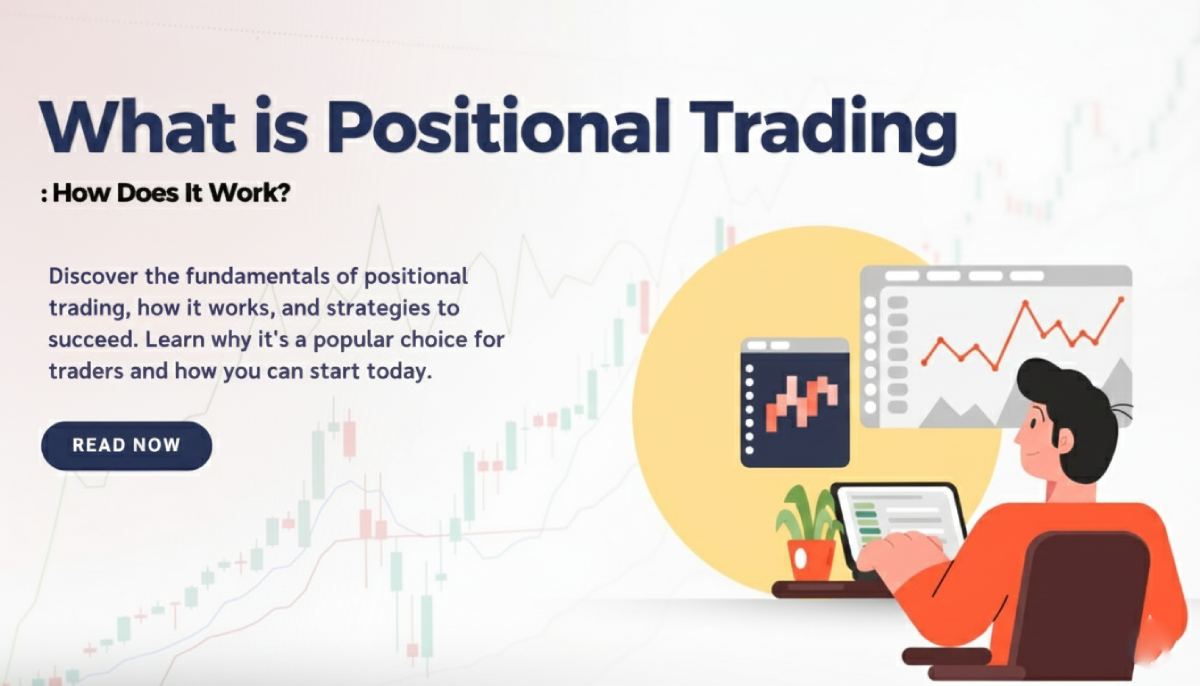
Positional trading is a trading style where positions are held for weeks to months, sometimes even longer, to capture bigger market trends.
You’re not reacting to daily noise.
You’re focusing on the overall direction of a stock or market.
From my experience, positional trading feels closer to investing—but with more structure and planned exits.
If someone asked for positional trading explained in one line, I’d say:
👉 Buy with a long-term view, hold through short-term noise, and exit when the bigger trend ends.
Where Positional Trading Fits in Types of Trading
Understanding placement helps reduce confusion.
In the Types of Trading spectrum, positional trading sits here:
-
Intraday trading → minutes to hours
-
Swing trading → days to weeks
-
Positional trading → weeks to months
-
Long-term investing → years
I find it interesting how positional trading often gets ignored, even though it suits a large number of people—especially those with full-time jobs.
It combines:
-
Patience from investing
-
Structure from trading
That balance is what makes positional trading unique.
How Positional Trading Works (Step-by-Step)

Let’s break down how positional trading actually happens in real life.
Step 1: Market and stock selection
Positional traders focus on:
-
Strong trends
-
Clear breakouts
-
Sector strength
This is not random buying. You’re aligning with bigger market moves.
From my experience, stock selection here matters more than entry timing.
Step 2: Analysis (Big picture first)
Positional trading relies heavily on:
-
Higher timeframes (daily, weekly charts)
-
Trend structure
-
Fundamental strength (often supportive, not mandatory)
You’re asking:
-
Is the trend strong?
-
Can this move last months?
Step 3: Entry planning
You don’t need perfect entries.
You need:
-
Logical entry zones
-
Wide but controlled stop-loss
-
Clear invalidation point
I’ve noticed positional traders care less about precision and more about direction.
Step 4: Holding the position
This is the hardest part.
Positions are held through:
-
Pullbacks
-
Sideways movement
-
News noise
From my experience, emotional discipline matters more here than strategy.
Step 5: Exit
Exits usually happen when:
-
Trend weakens
-
Major resistance is reached
-
Original view changes
That’s the full positional trading cycle.
Positional Trading vs Swing Trading
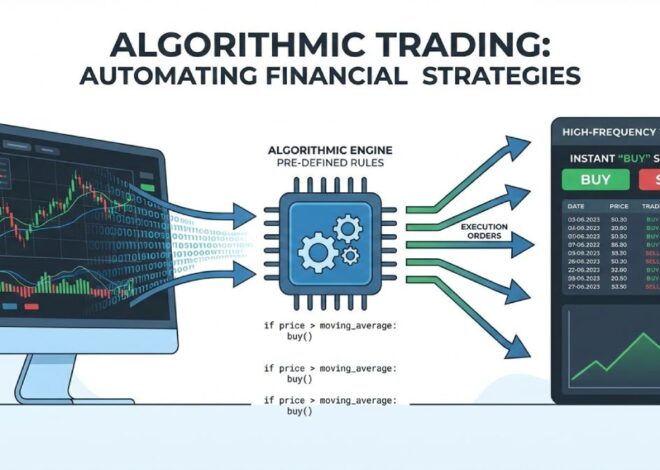
Compared to swing trading explained, positional trading involves holding positions for longer periods, often spanning several weeks or months. This is a common confusion.
Positional trading
-
Longer holding period
-
Fewer trades
-
Wider stop-loss
-
Less screen time
Swing trading
-
Shorter holding period
-
More frequent trades
-
Tighter stop-loss
-
More active management
I find it interesting that traders often move from swing to positional, not the other way around.
Positional Trading vs Intraday Trading
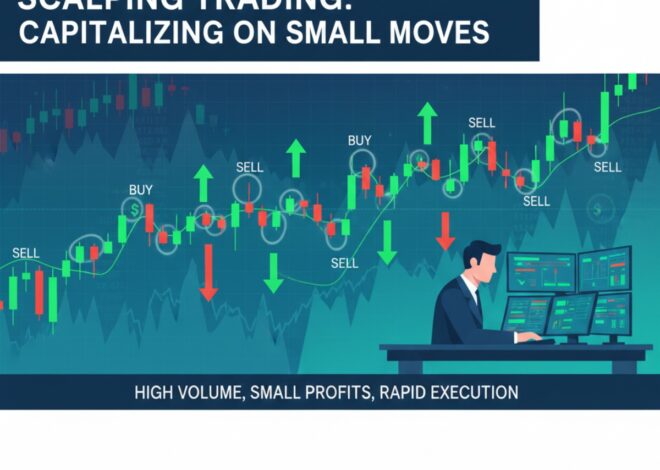
Unlike intraday trading explained, where trades are closed the same day, positional trading allows traders to stay invested through longer market cycles. This comparison explains why many traders eventually shift.
Intraday trading:
-
High stress
-
Constant monitoring
-
Quick decisions
Positional trading:
-
Lower stress
-
Planned decisions
-
Time flexibility
From my observation, positional trading suits people who want markets to fit into their life, not take over their life.
Timeframes Used in Positional Trading
This is where positional trading slows things down.
Commonly used charts:
-
Daily timeframe
-
Weekly timeframe
Lower timeframes are mostly ignored.
I’ve seen traders reduce mistakes simply by switching to higher timeframes.
Risk Management in Positional Trading
Let’s be clear.
Positional trading is not low-risk—it’s managed risk.
Key aspects:
-
Smaller position sizes
-
Wider stop-loss
-
Lower leverage
From my experience, positional traders survive longer because they respect uncertainty.
Remember this if you’re learning positional trading explained seriously:
👉 Big trends forgive small mistakes. Small trends don’t.
Capital Requirements for Positional Trading
You don’t need massive capital.
What you do need:
-
Patience
-
Emotional control
-
Realistic expectations
Because trades last longer, capital gets tied up. That’s a trade-off positional traders accept.
Common Mistakes in Positional Trading
I’ve seen these repeated often.
Beginners tend to:
-
Exit too early
-
Panic during pullbacks
-
Overanalyze daily moves
-
Ignore broader trends
I find it interesting how most mistakes come from impatience, not lack of knowledge.
Understanding positional trading explained properly helps reduce these errors.
Is Positional Trading Good for Beginners?
Short answer: Yes, for the right mindset.
Positional trading works well for beginners who:
-
Prefer calm decision-making
-
Don’t want daily stress
-
Can wait patiently
But it’s not for those who:
-
Need daily action
-
Get bored easily
-
Chase quick profits
From my experience, personality matters more than strategy here.
Personal Observations (Honest Take)
From my experience:
-
Positional trading teaches patience better than any book
-
It exposes emotional weaknesses slowly but clearly
-
It rewards consistency over excitement
I’ve noticed traders who master positional trading usually develop strong market intuition over time.
FAQs: Positional Trading Explained
1. How long are positions held in positional trading?
Usually weeks to months, depending on the trend.
2. Is positional trading risky?
Yes, but risk is more controlled compared to faster trading styles.
3. Can beginners start with positional trading?
Yes, especially if they prefer a slower pace.
4. Is positional trading better than swing trading?
Neither is better. It depends on personality and goals.
5. Do positional traders need to watch markets daily?
No. Periodic monitoring is usually enough.
6. What timeframe is best for positional trading?
Daily and weekly charts are commonly used.
7. Can positional trading be done with small capital?
Yes, but patience is required as trades take time.
8. Is positional trading suitable for working professionals?
Very much. That’s one of its biggest advantages.
Final Thoughts
If you were searching for positional trading explained without hype, here’s the truth:
-
It’s slow
-
It’s disciplined
-
It’s emotionally demanding
But for those who stick with it, positional trading offers something rare in markets—clarity and balance.
Trade less. Think more.
That’s positional trading in its pure form. If you want to understand how positional trading compares with other styles, explore our complete guide on types of trading to choose what suits you best.