Scalping Trading Explained: How Traders Make Small Profits in Minutes
Scalping looks exciting from the outside. Fast trades. Quick profits. Constant action. Scalping trading is one of the fastest approaches under types of trading, focusing on frequent, short-duration trades rather than long holding periods. But most people search for scalping trading only after realizing how mentally exhausting it actually is.
This article explains scalping trading calmly — without glorifying it and without scaring you away. Just the facts.
What Is Scalping Trading? (Scalping Trading Explained Simply)
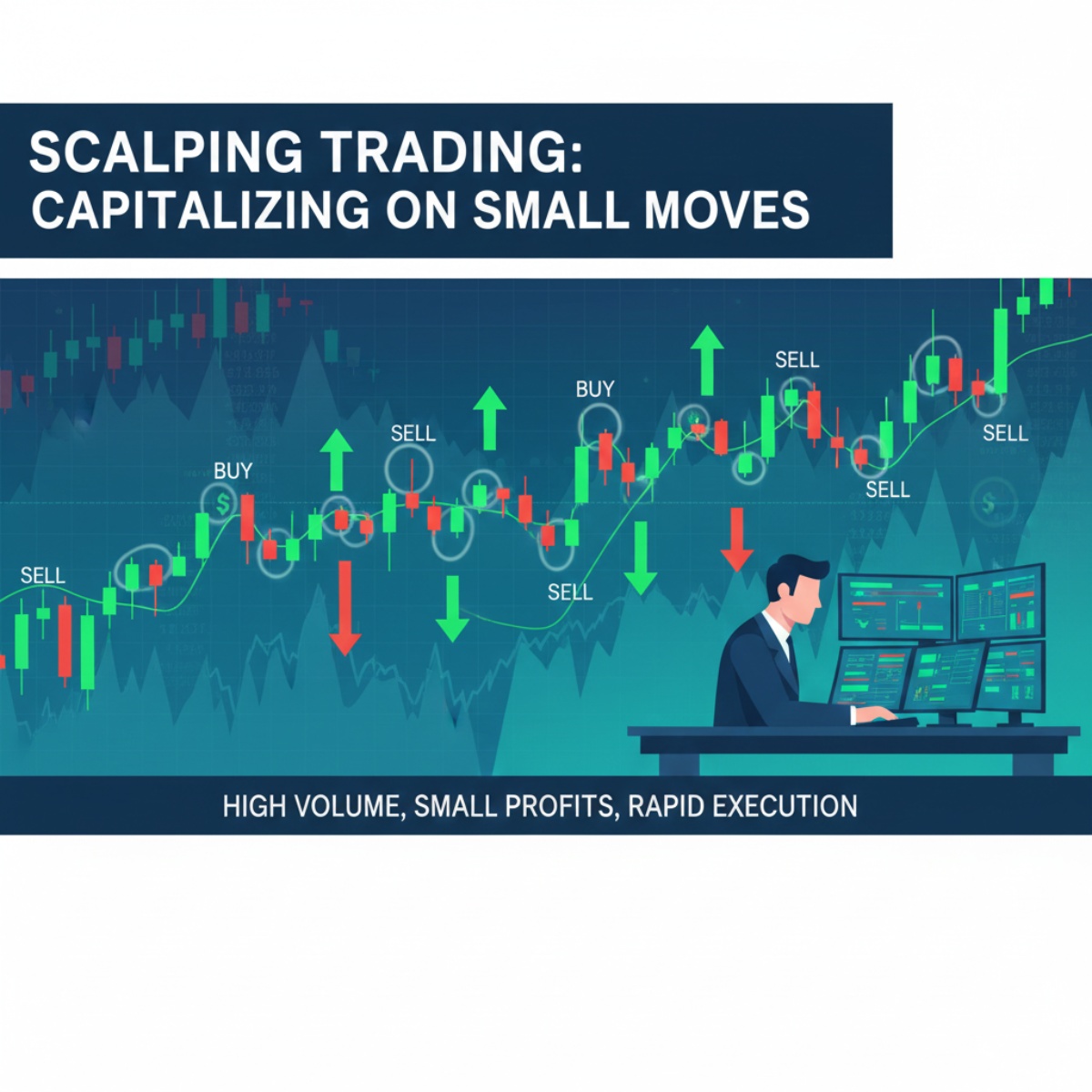
Scalping trading is a trading style where traders aim to make small profits from very small price movements, multiple times a day.
In scalping:
-
Trades last seconds to minutes
-
Profit per trade is small
-
Volume and discipline matter more than big moves
I find it interesting how people assume scalping is about speed alone. In reality, it’s about precision and control.
If I had to explain scalping in one line:
Scalping trading focuses on capturing tiny price changes through frequent, short-duration trades.
Where Scalping Trading Fits in Types of Trading
Scalping trading falls under the broader types of trading, but it sits at the extreme end of speed and intensity.
Compared to other styles:
-
Intraday trading → slower than scalping
-
Swing trading → far slower
-
Delivery trading → long-term
From my experience, scalping trading is less about prediction and more about execution quality.
How Scalping Trading Works (Step-by-Step)
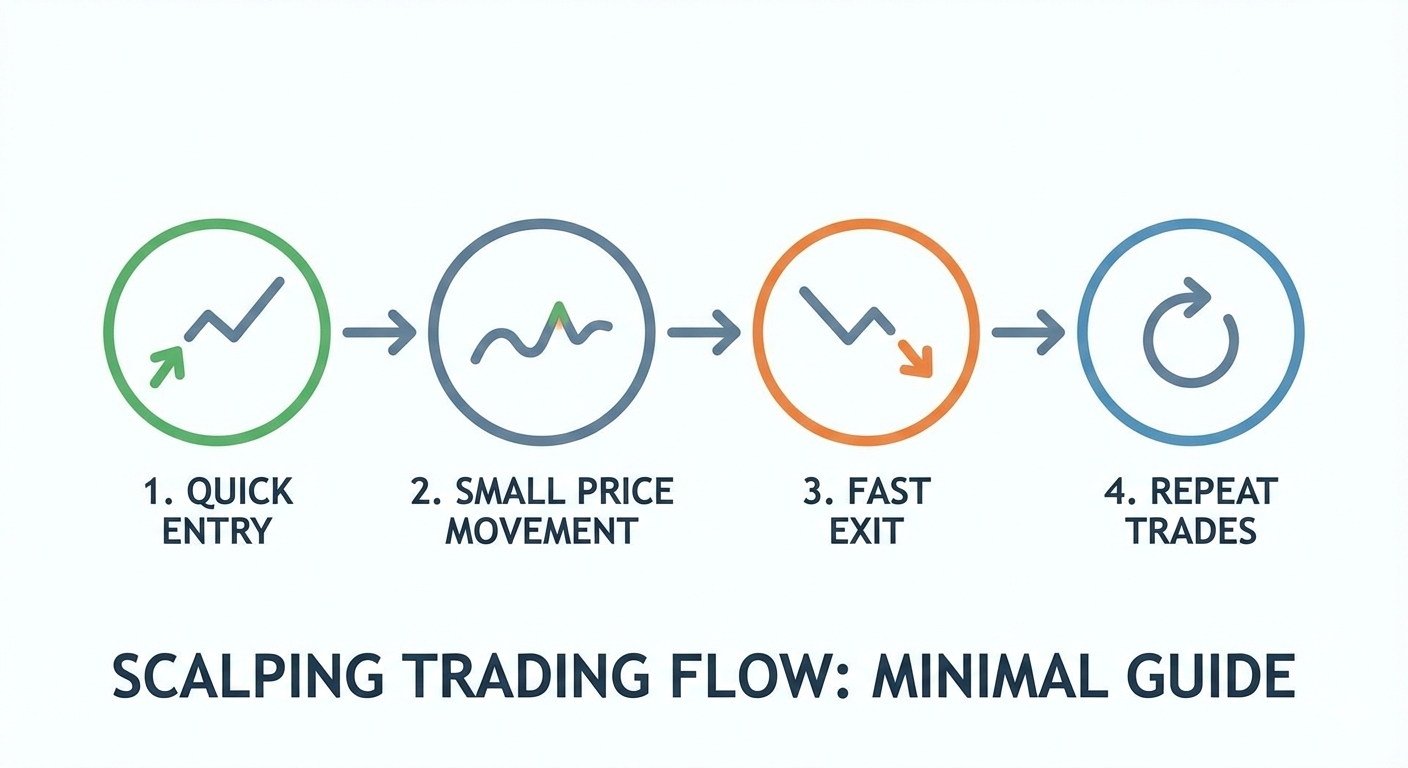
Step 1: Choose highly liquid instruments
Scalpers prefer instruments with:
-
Tight spreads
-
High volume
-
Fast execution
Liquidity is non-negotiable here.
Step 2: Enter quick trades
Trades are taken:
-
On small breakouts
-
On momentum bursts
-
On short pullbacks
No long analysis. Decisions are fast.
Step 3: Book small profits
Scalpers exit quickly:
-
Even a small favorable move is enough
-
Greed kills scalping strategies
From my experience, holding longer than planned is the fastest way to lose consistency.
Step 4: Repeat the process
Scalping relies on:
-
Multiple trades
-
High accuracy
-
Strict discipline
One bad habit can erase several good trades.
Scalping Trading vs Intraday Trading
Compared to intraday trading, scalping trading demands much quicker decision-making and far tighter control over entries and exits. This comparison is important.
Scalping trading
-
Very short trades
-
High frequency
-
Requires constant focus
Intraday trading
-
Trades last longer
-
Fewer entries
-
Slightly more flexible
I’ve noticed many intraday traders try scalping and then realize it’s mentally much tougher.
Scalping Trading vs Swing Trading
This contrast shows mindset difference.
Scalping trading
-
Fast decisions
-
Small targets
-
Low tolerance for drawdowns
Swing trading
-
Slower pace
-
Bigger targets
-
More patience-driven
From my experience, scalping trading suits a very specific personality type.
Risks in Scalping Trading
Let’s be direct.
Scalping trading is high-risk if discipline slips even slightly.
Main risks include:
-
Overtrading
-
High transaction costs
-
Emotional fatigue
-
Execution delays
Understanding scalping trading explained properly means accepting that speed amplifies mistakes.
Capital and Costs in Scalping Trading
Scalping may look cheap, but costs add up.
Things to watch:
-
Brokerage charges
-
Slippage
-
Taxes
I find it interesting how many scalpers ignore costs and wonder why profits disappear.
Is Scalping Trading Good for Beginners?
Short answer: Mostly no.
Beginners usually struggle with:
-
Fast decision-making
-
Emotional control
-
Strict rule-following
From my experience, scalping trading works best after gaining market exposure through slower styles.
Common Mistakes in Scalping Trading
These mistakes repeat endlessly:
-
Trading without breaks
-
Chasing losses
-
Increasing position size impulsively
-
Ignoring fatigue
Scalping doesn’t forgive mental lapses.
Personal Observations (Real Talk)
From my experience:
-
Scalping trading drains energy quickly
-
Consistency matters more than excitement
-
Calm traders last longer
I’ve seen traders quit the market not because scalping failed — but because it burned them out.
FAQs: Scalping Trading Explained
-
What is scalping trading in simple words?
Very short-term trading aimed at small profits. -
Is scalping trading legal?
Yes, as long as broker rules are followed. -
Can beginners do scalping trading?
Not recommended without experience. -
Is scalping trading risky?
Yes, due to speed and frequency. -
How long do scalping trades last?
From seconds to a few minutes. -
Does scalping require full-time focus?
Yes, constant attention is needed. -
Is scalping better than intraday trading?
Depends on personality and discipline. -
Can scalping trading be profitable?
Yes, but consistency is hard to maintain.
Final Thoughts
If you were searching for scalping trading explained, here’s the honest truth:
-
It’s fast
-
It’s intense
-
It’s unforgiving
Scalping trading rewards discipline, not excitement.
If calm decision-making isn’t your strength, slower styles work better.